Futures
Topic: Misrepresentation in Media
Summary
The spread of misinformation on social media continues to pose significant challenges to democracy. Studies reveal that a small group of “supersharers” is responsible for the majority of fake news dissemination, particularly among older, Republican demographics. This trend is exacerbated by the rise of inauthentic accounts operated from various countries, which use AI tools to create misleading content. The phenomenon highlights the need for greater scrutiny of social media platforms and their role in facilitating the spread of false information.
The emergence of synthetic media, including deepfakes, raises further concerns about the authenticity of digital content. Reports indicate that by 2026, a substantial portion of online content could be artificially generated, leading to increased opportunities for manipulation. This shift has implications for artists and writers, as well as for the general public’s ability to discern truth from fiction. The concept of “deep doubt” reflects a growing skepticism towards digital media, fueled by the prevalence of AI-generated images and the potential for genuine events to be misrepresented.
In response to the challenges posed by misinformation, some countries are taking proactive measures. Finland has integrated digital literacy and fact-checking into its school curriculum, aiming to equip students with the skills needed to navigate online information critically. This approach emphasizes the importance of teaching young people to be their own fact-checkers, fostering a culture of skepticism and critical thinking.
The role of technology in shaping public perception is further illustrated by the use of AI in disinformation campaigns. Reports from various regions, including Bangladesh and Iran, detail how state-backed actors employ AI tools to create deepfake videos and spread false narratives. These tactics not only undermine trust in media but also highlight the intersection of geopolitics and misinformation.
The evolving landscape of media companies reflects the need for adaptation in the face of these challenges. As traditional media struggles to maintain relevance, some organizations are exploring new business models that prioritize talent and creator independence. This shift underscores the importance of building trust and credibility in an era where AI and misinformation threaten the integrity of information.
The impact of misinformation extends to social media platforms, where the prevalence of disinformation has been documented. Studies indicate that certain platforms, such as X (formerly Twitter), have higher rates of misinformation compared to others. The European Union has expressed concerns about the effectiveness of these platforms in combating disinformation, particularly in light of ongoing geopolitical tensions.
Finally, the intersection of technology and personal privacy raises critical questions about the future of online interactions. As individuals increasingly curate their lives for social media consumption, the commodification of personal experiences becomes a concern. The need for transparency and control over personal data is paramount, as algorithms and digital profiles shape perceptions and decisions in ways that may not align with individual realities.
Seeds
| name | description | change | 10-year | driving-force | |
|---|---|---|---|---|---|
| 0 | Decentralized Content Manipulation | Content manipulation now involves multiple international actors exploiting social media. | Evolution from few known sources of misinformation to myriad distributed operators affecting narratives. | In 10 years, social media platforms may be unable to control or verify sources of trending content. | The rise of monetization programs encouraging content that attracts engagement over authenticity. |
| 1 | Dynamic Media Environments | Media are active processes that shape human experience and engagement. | Shift from passive consumption of media to active engagement in dynamic environments. | In 10 years, media environments will heavily influence our social interactions and personal identities. | The blending of technology with social behaviors drives engagement and transformation within media environments. |
| 2 | Invisibility of Media Effects | Media environments often operate invisibly, influencing perceptions subtly. | Increased awareness of the hidden effects of media on society and individuals. | In 10 years, people will develop better tools to understand and measure media’s subtle influences. | The need for digital literacy and critical thinking skills in an increasingly mediated world drives this change. |
| 3 | Trust in Digital Content Erosion | Erosion of trust in online content as synthetic media becomes pervasive. | Shifting from trust in traditional media to skepticism towards digital content. | Audiences will rely on verification tools and critical thinking to assess content authenticity. | Increased awareness of misinformation and the capabilities of synthetic media. |
| 4 | Deep Doubt Era | Increasing public skepticism towards the authenticity of media due to AI-generated content. | Shift from trust in media to widespread skepticism about the authenticity of visuals. | In 10 years, media consumption may prioritize transparency and verification tools over traditional sources. | The proliferation of advanced AI tools that enable easy creation of convincing fake media. |
| 5 | Liar’s Dividend Recognition | Recognition of the concept of ‘liar’s dividend’ in public discourse regarding media authenticity. | From theoretical discussions to practical implications in everyday media consumption. | Public and legal frameworks may develop robust methods to counteract the liar’s dividend concept. | Growing awareness of misinformation and the need for reliable information sources. |
| 6 | Deepfake Technology in Misinformation | The use of deepfake technology to create deceptive news broadcasts. | Transition from traditional media manipulation to advanced AI-generated misinformation. | Deepfake technology could become a standard tool in political and social manipulation campaigns. | Advancements in AI and machine learning making deepfake creation accessible. |
| 7 | Shift in Journalism Standards | Major publications are prioritizing ‘content’ over traditional journalism ethics. | From quality journalism to clickbait-driven content creation. | Public trust in media may decline further, leading to alternative news sources emerging. | Audience engagement metrics increasingly dictate editorial decisions in media outlets. |
| 8 | Commercialization of Personal Image | The rise of advertising led to the commodification of individual images without consent. | From personal images being private to being used commercially without permission. | In a decade, individuals may actively monetize their own likenesses in new ways. | The growth of influencer culture and digital branding changing how images are valued. |
| 9 | Crisis of Representation | The exploitation of images sparked a crisis regarding representation and control. | From passive consumption of images to active discussions about representation and ethics. | In 10 years, representation in media may prioritize ethical considerations and consent. | Societal shifts toward equity and representation in media and advertising practices. |
Concerns
| name | description | |
|---|---|---|
| 0 | Propagation of Misinformation | The prevalence of lies and absurdities online diminishes the media’s ability to effectively filter information, leading to widespread misinformation. |
| 1 | Cynicism in Media Consumption | Cynical media practices poison public discourse, making it harder to discern valuable information from sensationalism. |
| 2 | Invisibility of Media Environments | Media operates as an invisible environment affecting human behavior and societal norms, often unnoticed until significant changes occur. |
| 3 | Potential Stagnation in Media Understanding | Focusing solely on media as tools may prevent a deeper understanding and utilization of their broader societal functions and implications. |
| 4 | Erosion of Public Trust | Widespread disinformation campaigns may lead to a significant erosion of public trust in media and political institutions. |
| 5 | Exploitation of Cognitive Biases | Manipulation of psychological biases through disinformation can distort public perception and decision-making. |
| 6 | Proliferation of Misinformation | The distribution of false information may lead to increased prejudices and societal division. |
| 7 | Erosion of Trust in Media | The rise of AI-generated imagery leads to skepticism about the authenticity of all media, undermining trust in legitimate news and documentation. |
| 8 | Misinformation and Bias in Financial Content | Increased brand publishing may lead to biased information that promotes the interests of banks over factual reporting. |
| 9 | Erosion of Trust in Journalism | Brand publishing initiatives could further blur the lines between journalism and marketing, undermining trust in traditional media. |
Cards
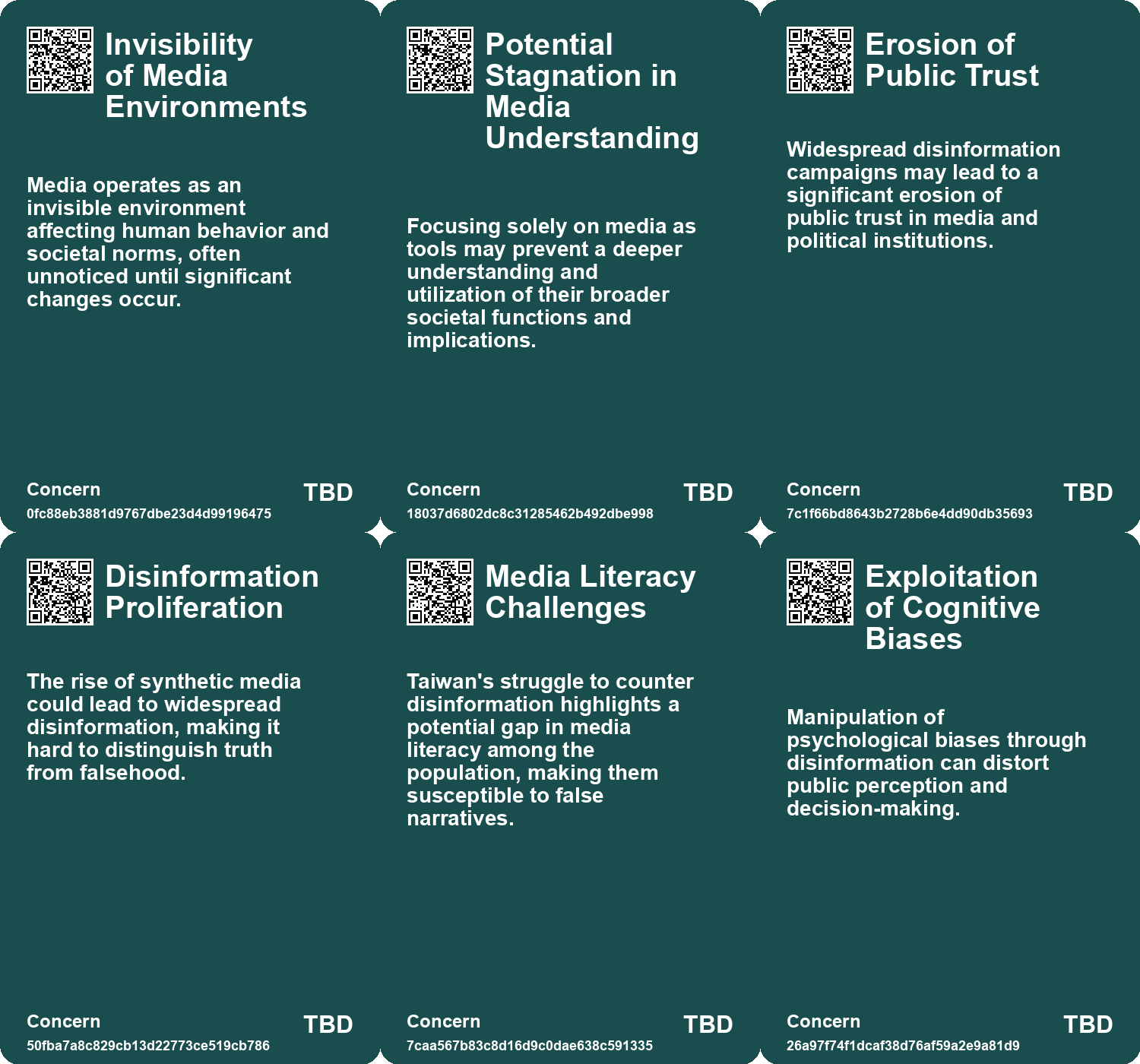
Concerns
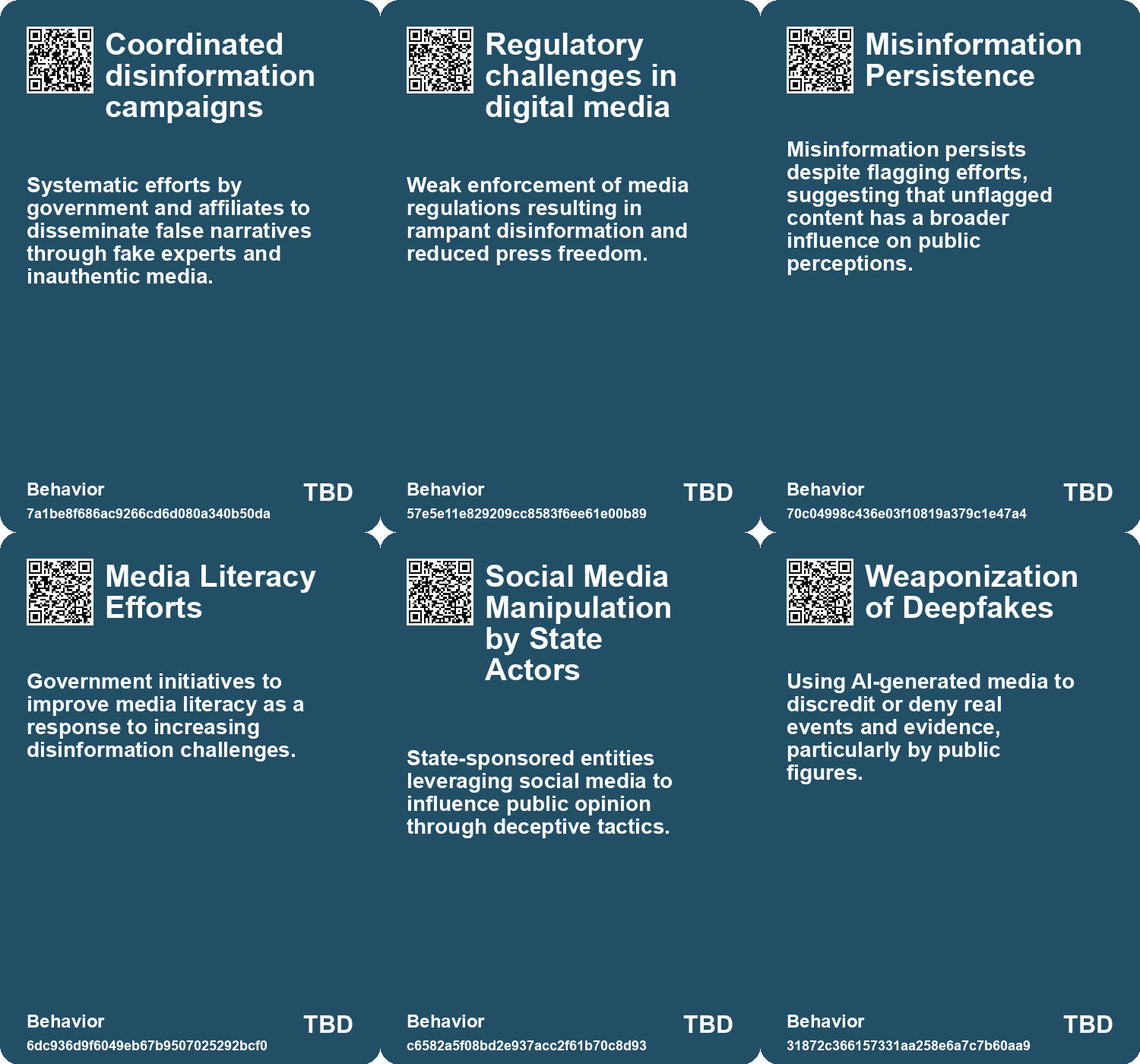
Behaviors
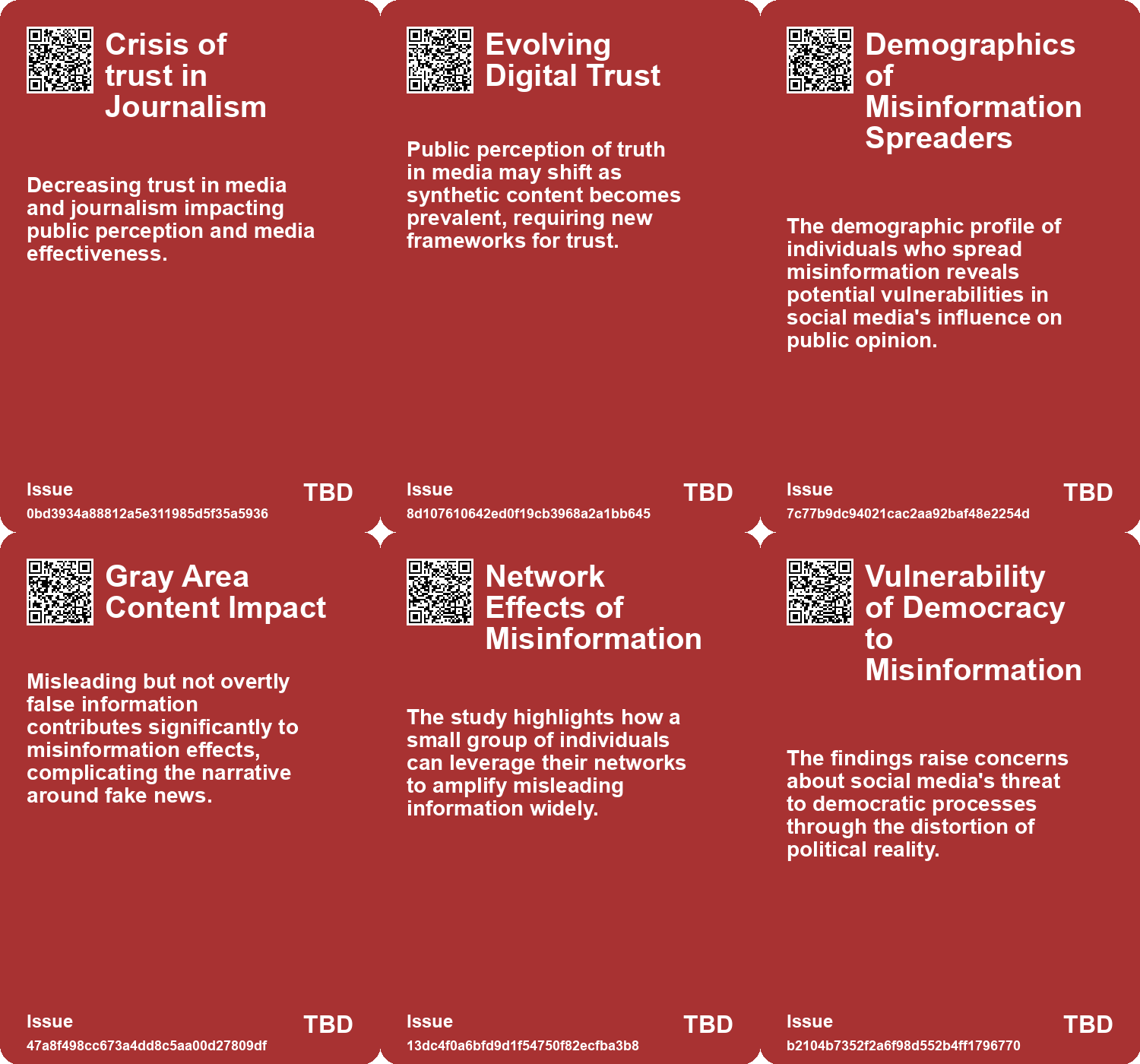
Issue
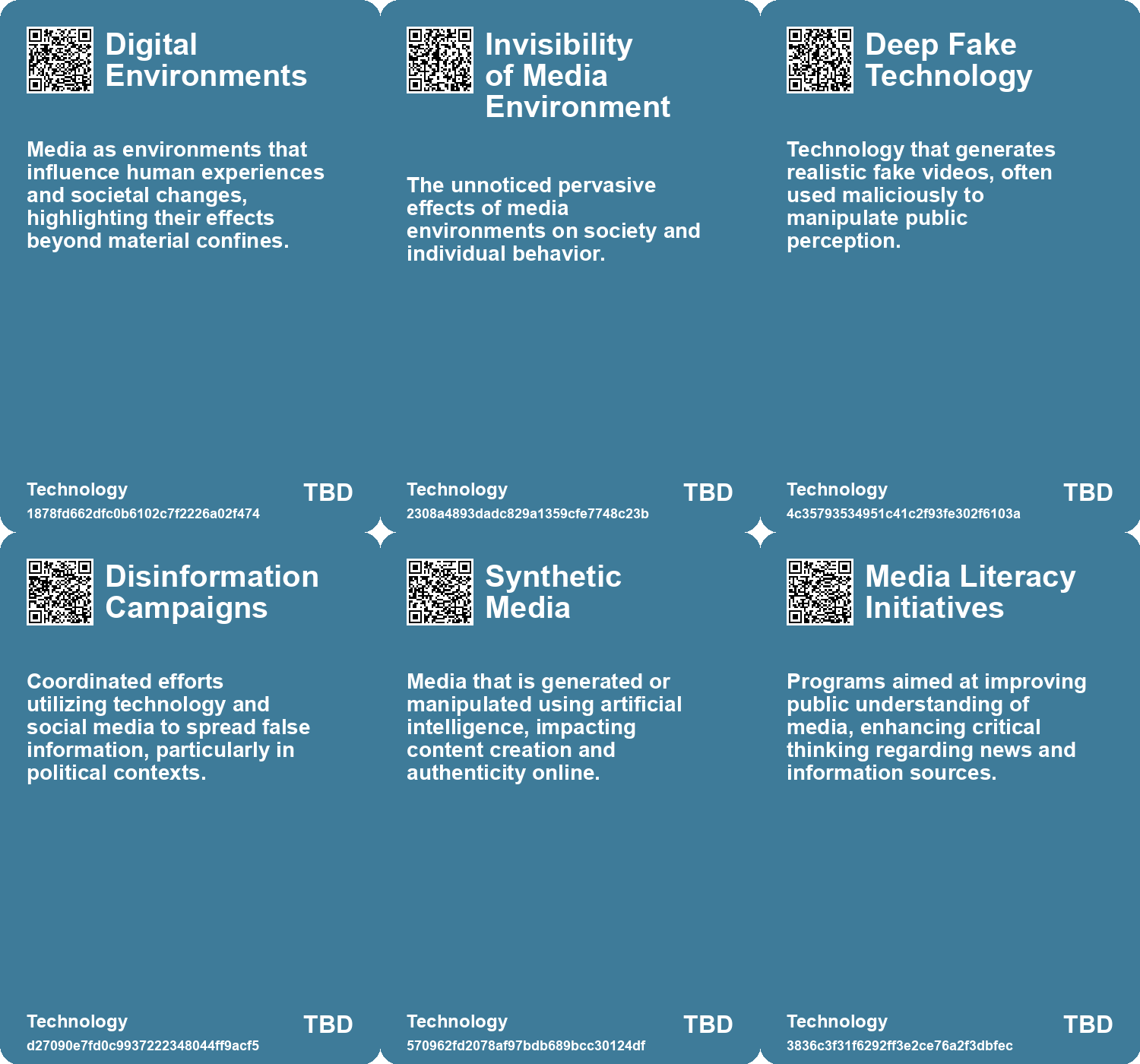
Technology
Links
- Europol Report Warns of Rising AI-Generated Content and Disinformation Risks
- Meta Halts Political Ads in EU to Avoid New Transparency Regulations
- Exploring the Modern Entertainment Landscape and Its Societal Implications
- Understanding the Layers and Implications of Your Online Profile
- Reimagining Media Companies: The Shift from Brands to Talent-Centric Models
- Exploring the Rise of ‘Deep Doubt’ Amidst AI-Generated Media Content
- Finland’s Innovative Approach to Combating Fake News Through Education
- The Backlash Against Lina Khan: A Fight for Consumer Protection and Antitrust Reform
- Meta’s Content Moderation Overhaul: New Policies on Hate Speech and Fact-Checking
- The Impact of Kodak on Privacy Rights During the Gilded Age
- The Rise of Industrialized Sentiment Manipulation and the Need for Digital Identity Verification
- Addressing Threats to Democracy: Strategies for Resilience Against Misinformation and Manipulation
- The Dangers of Living Life as Entertainment in the Social Media Age
- EU Study Reveals X (Twitter) Leads in Disinformation Among Social Media Platforms
- The Risks of Media Companies Partnering with OpenAI and the Future of Journalism
- The Impact of Ubiquitous Surveillance Cameras on Society and Accountability
- Understanding Media: The Impact of McLuhan’s Insights on Technology and Human Experience
- Emerging Trend: Foreign-Origin Accounts Spreading Disinformation on Social Media.
- The Illusion of Online Activism in the Age of Trump: Embracing Real-World Action Instead
- FBI and International Partners Warn of Russian Disinformation Tool ‘Meliorator’
- Bangladesh’s Disinformation Campaign: The Role of AI and Deep Fakes in Elections
- The Evolving Role of Brand Publishing in Investment Banking and Media Landscape
- Exploration de la Fatigue Informationnelle en France : Enquête et Impacts
- The Impact of Supersharers on Vaccine Hesitancy and Fake News Spread on Social Media
- Pentagon’s Purge of DEI Content Targets Thousands of Military Images and Posts
- Iranian Hackers Use Deepfake Technology to Alter Media Narrative on Israel-Hamas Conflict