Futures
Topic: Mindful Lifestyle Choices
Summary
Attention and Mindfulness emerge as crucial themes in navigating the complexities of modern life. The practice of observing thoughts without judgment fosters mental clarity and personal freedom. This approach encourages individuals to reclaim their attention through gradual simplification and focused presence. In a world filled with distractions, the importance of mindfulness is further emphasized through the need for slow and intentional learning, inspired by movements like Slow Food. This shift advocates for self-reflection and the value of questions over immediate answers.
Health and Well-Being are also central to the discourse, with a focus on making informed lifestyle choices. The rise of health-conscious individuals, exemplified by the “Bubble Girls” phenomenon, highlights a growing distrust in traditional health systems. This trend promotes nontoxic living and alternative diets, yet it raises concerns about the potential for misinformation. The importance of diet is underscored, with calls for nutrient-dense, locally sourced foods and a proactive approach to reducing environmental toxins.
The impact of Technology on society is critically examined, particularly its role in fostering polarization and anxiety. The discussion includes the influence of social media on personal relationships and the commodification of experiences. A cultural shift towards prioritizing attention over availability is proposed as a remedy for the negative effects of technology. The concept of Waldenponding, while appealing as a retreat from digital overload, is critiqued for its potential selfishness in the face of collective societal engagement.
Gratitude and Positive Psychology are highlighted as essential strategies for enhancing well-being. Research indicates that practicing gratitude can lead to increased happiness and motivation. Practical methods for cultivating gratitude, such as gratitude jars and thank-you messages, are suggested to reinforce positive emotions and connections with others.
Career Development and Professional Growth are addressed through the lens of self-management and adaptability. The importance of aligning personal and organizational purposes is emphasized, along with the need for continuous learning and resilience in a changing job landscape. The concept of a “company of one” is introduced, advocating for building valuable relationships and enhancing optionality in career choices.
The theme of Kindness in the workplace emerges as a necessary response to current economic uncertainties and high anxiety levels. Practicing self-care and fostering positive relationships with colleagues are essential for cultivating a supportive work culture. Intentional outreach and constructive feedback are highlighted as key components of workplace kindness.
Finally, the exploration of Creativity and Innovation reveals the challenges of working in a culture of false urgency. The need to prioritize truly urgent tasks and create space for deep work is emphasized. Time management strategies are presented as vital tools for improving productivity and making purposeful choices in both personal and professional contexts.
Seeds
| name | description | change | 10-year | driving-force | |
|---|---|---|---|---|---|
| 0 | Mental Health Intersection | Mental health improvements linked to personal health management and lifestyle changes. | From neglecting personal health impacts on mental well-being to actively seeking wellness for mental health benefits. | Increased integration of wellness practices as essential components of mental health treatment plans. | Recognition of holistic health approaches that consider the interconnection of physical and mental well-being. |
| 1 | Eco-Conscious Living | Growth in eco-friendly living as part of the broader wellness movement. | Transition from convenience-driven living to more sustainable and responsible consumer choices. | Eco-conscious lifestyles may become more mainstream, influencing urban design and community living standards. | Concern for environmental health directly affects personal and communal wellness choices. |
| 2 | Mindfulness and Self-Care Practices | Individuals are increasingly engaging in mindfulness and self-affirmation acts for self-care. | A movement from superficial self-care to deeper, intentional acts of self-nurture and mindfulness. | In ten years, self-care routines may become a normative part of daily life, integrated into work and personal environments. | The escalation of stress and anxiety levels in modern life necessitating effective self-care practices. |
| 3 | Shift towards alternative hedonism | Emphasis on lifestyle changes that enhance happiness while reducing consumption. | From a high-consumption lifestyle to one focused on well-being and reduced environmental impact. | In ten years, society may prioritize leisure and community over material possessions, leading to a happier populace. | Growing awareness of climate change and mental health issues drives the search for sustainable happiness. |
| 4 | Viral Wisdom Movement | The trend of sharing wisdom and mindfulness practices through social media platforms. | Shift from traditional education to viral, engaging methods of sharing wisdom. | In 10 years, wisdom-sharing may dominate online content, shaping collective consciousness. | The rise of digital platforms and desire for accessible personal growth resources. |
| 5 | Energy as a Scarce Resource | Recognition that personal energy is finite and should guide life choices. | From following societal expectations to prioritizing personal energy in decision-making. | More people will consciously manage their energy, leading to healthier work-life balances. | The rise of mental health awareness and the need for sustainable living. |
| 6 | Rise of Mindfulness Practices | Increasing interest in mindfulness and attention practices for mental clarity and peace. | Shift from chaotic, distracted living to a more mindful, focused way of life. | Mindfulness may become a standard practice in education and workplaces, enhancing overall mental well-being. | Growing recognition of mental health importance and the need for effective stress management techniques. |
| 7 | Simplification Trends | A movement towards simplifying thoughts and lifestyles to enhance clarity and focus. | Transition from complexity and overwhelm to simplicity and intentional living choices. | Society may prioritize minimalism and essentialism, leading to less cluttered lives and minds. | Desire for clarity and peace in a fast-paced, overly complex world. |
| 8 | Individual Agency in Mental Health | Growing emphasis on personal responsibility for mental well-being through attention and practice. | Shift from reliance on external solutions to self-directed mental health management. | Individuals may increasingly adopt personalized mental health strategies, enhancing resilience. | Increased awareness of mental health issues and the need for self-care practices. |
| 9 | Mindfulness in Education | The integration of mindfulness practices into learning environments. | Transitioning from traditional educational models to those incorporating mindfulness. | Mindfulness practices could become standard in classrooms, enhancing student well-being and focus. | Increased awareness of mental health issues related to fast-paced learning environments. |
Concerns
| name | description | |
|---|---|---|
| 0 | Emotional Distress due to Health Anxiety | Obsessive health concerns and the pursuit of ‘clean living’ can lead to increased anxiety and pressure to conform to wellness trends. |
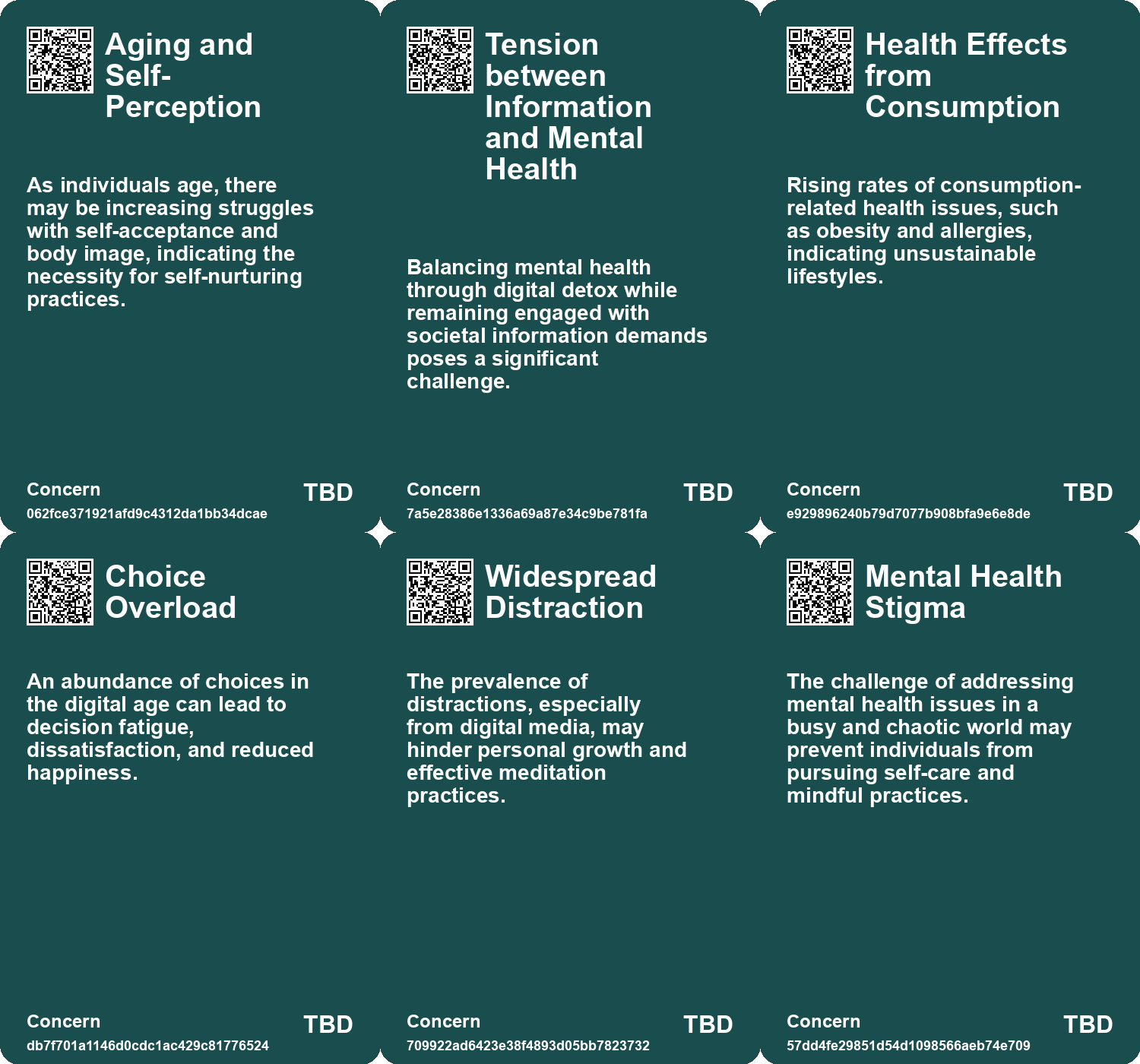
| 1 | Aging and Self-Perception | As individuals age, there may be increasing struggles with self-acceptance and body image, indicating the necessity for self-nurturing practices. |
| 2 | Tension between Information and Mental Health | Balancing mental health through digital detox while remaining engaged with societal information demands poses a significant challenge. |
| 3 | Health Effects from Consumption | Rising rates of consumption-related health issues, such as obesity and allergies, indicating unsustainable lifestyles. |
| 4 | Choice Overload | An abundance of choices in the digital age can lead to decision fatigue, dissatisfaction, and reduced happiness. |
| 5 | Widespread Distraction | The prevalence of distractions, especially from digital media, may hinder personal growth and effective meditation practices. |
| 6 | Mental Health Stigma | The challenge of addressing mental health issues in a busy and chaotic world may prevent individuals from pursuing self-care and mindful practices. |
| 7 | Lack of Self-Awareness | Individuals may struggle with self-awareness in assessing their true interests and energy levels, complicating the process of choosing fulfilling pursuits. |
| 8 | Disconnection from the Present | In a fast-paced world, people may struggle to remain mindful and engaged with the present moment, leading to a loss of meaningful experiences. |
| 9 | Reinforcement of Negative Habits | Without consistent practice of attention and mindfulness, old, unhelpful mental habits are likely to resurface, hindering progress. |
Cards
Concerns
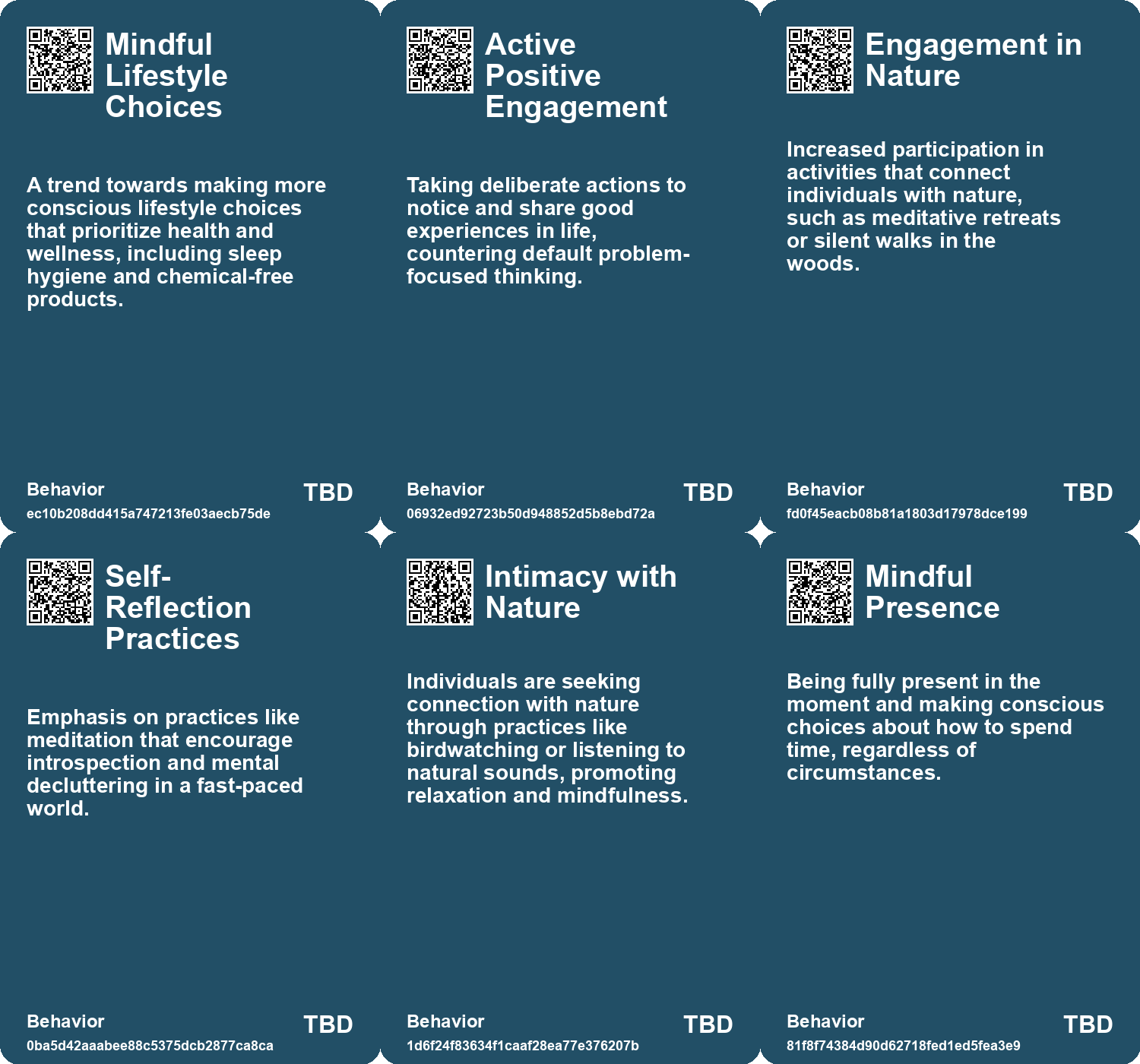
Behaviors
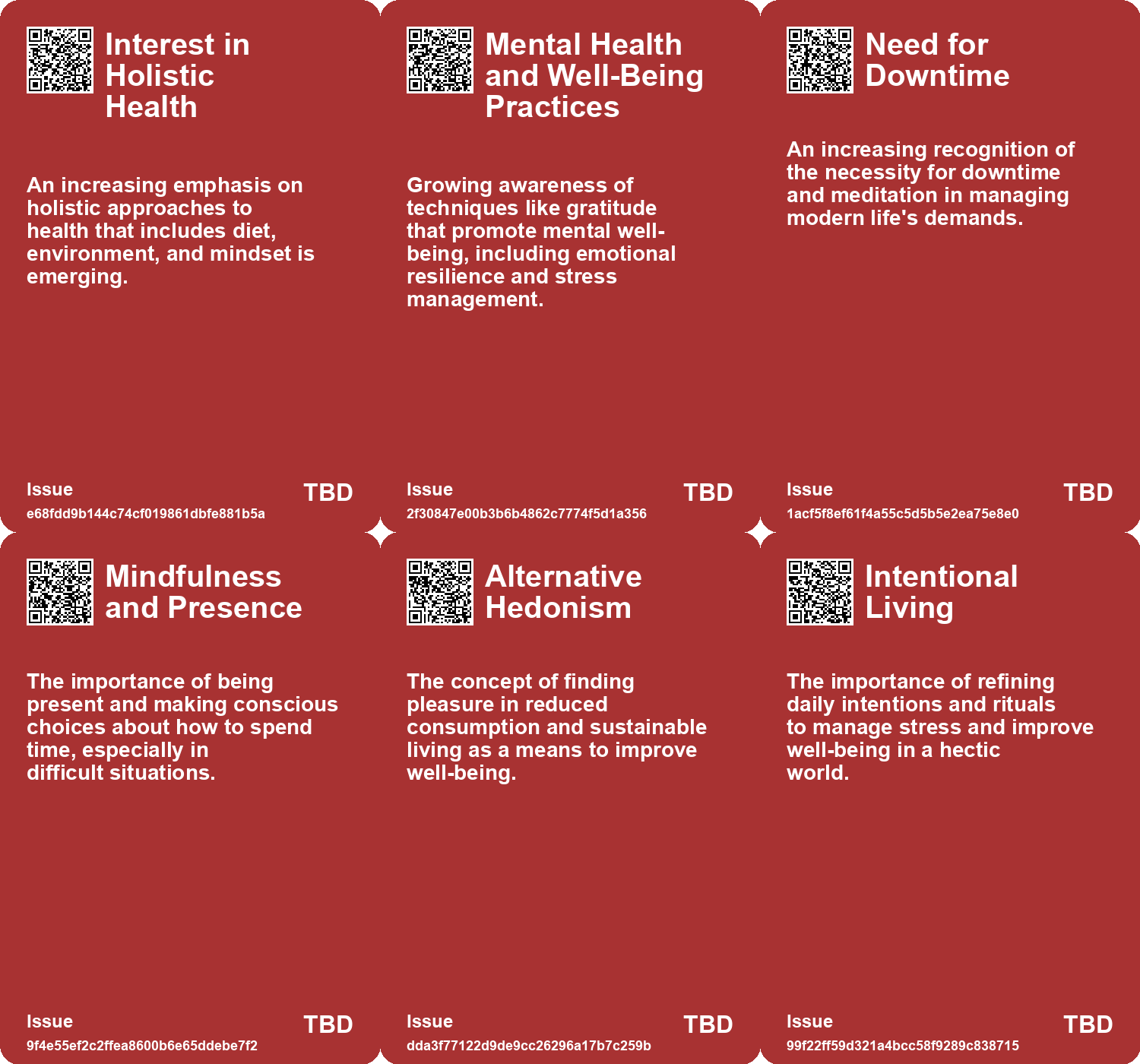
Issue
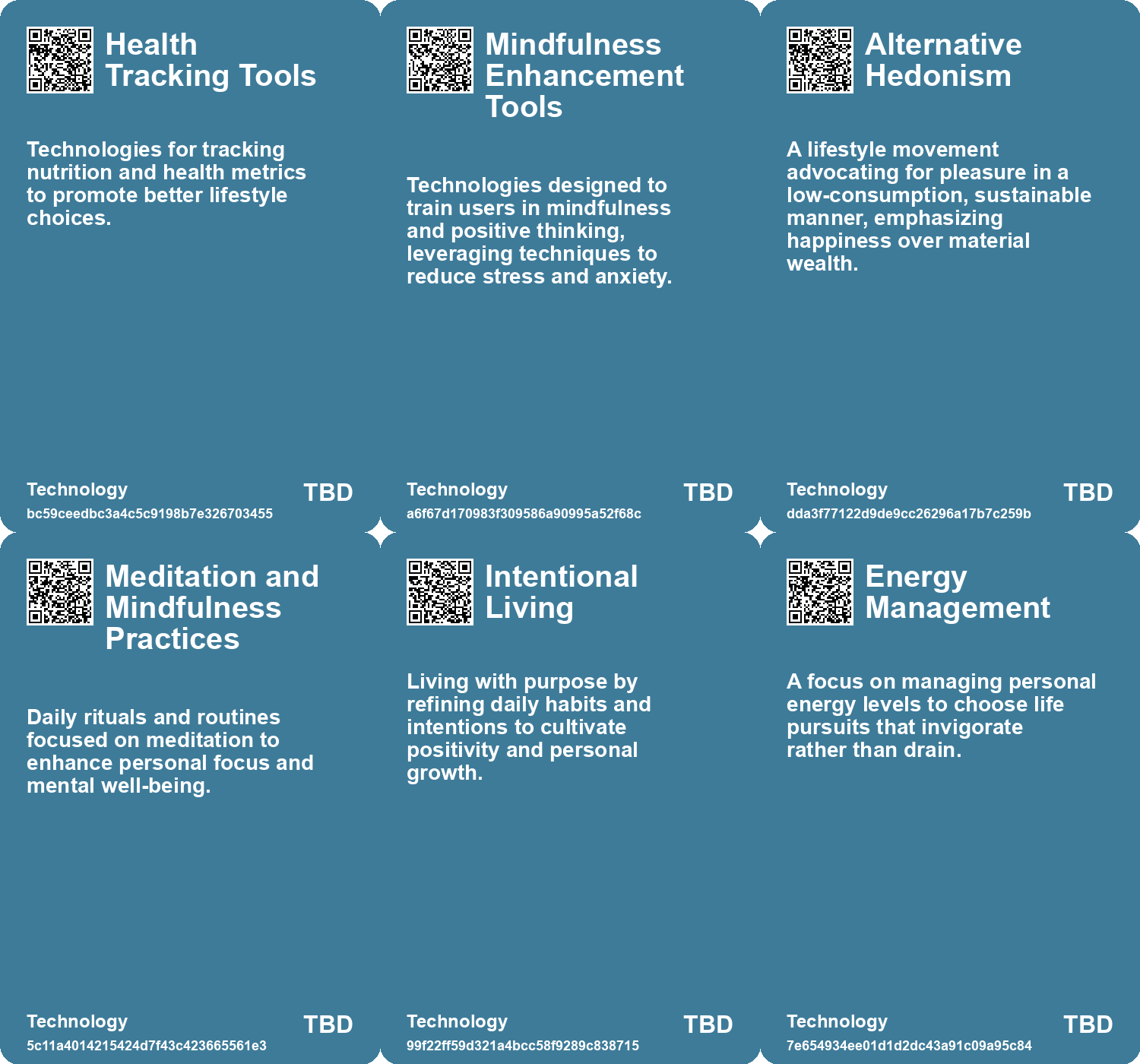
Technology
Links
- The Importance of Kindness in the Workplace During Challenging Times
- Reimagining Learning: Embracing Slow Learning in an Accelerated World
- Exploring the Modern Entertainment Landscape and Its Societal Implications
- Understanding the Bubble Girls: Navigating the Rise of Low-Tox Living and Health Consciousness
- Aligning Company and Employee Purposes: Insights from the Latest Newsletter
- Maximizing Life Returns: The Pursuit Mapping Exercise for Fulfillment and Success
- Rediscovering Silence: The Need for Downtime in a Noisy World
- The Art of Attention: Cultivating Clarity and Freedom in Life
- Choosing Between Alive Time and Dead Time: Embracing Growth in Adversity
- Exploring Kate Soper’s Vision for Sustainable Living in ‘Post-Growth Living’
- Transforming Mindset: The Power of Gratitude in Daily Life
- Five Emerging Trends Transforming Business in the Coming Year
- The Case Against Waldenponding: Embracing Digital Engagement Instead of Retreating
- Nostalgia for Simplicity: The Burden of Infinite Choice in Modern Life
- Essential Guide to Healthy Living: Recommendations for Diet, Sleep, and Toxin-Free Products
- The Importance of Self-Management in Modern Careers: Insights from Peter Drucker
- Combating False Urgency: Strategies for a More Productive Work Culture
- The Impact of Continuous Partial Attention on Networking and Relationships in a Digital World
- Insights on Career Management: Navigating Work in a Changing Landscape
- Finding Solace: The Importance of Nurturing Moments in Daily Life
- Essential Career Lessons for Success Across Decades in Today’s Workforce
- Jay Shetty: Transforming Lives Through Intentions and Wisdom
- Understanding Polarization: Healing Our Relationship with Technology and Embracing Diverse Perspectives
- Exploring the Dangers of Outsourcing Happiness and Personal Fulfillment in Modern Society